Leveraging SEO Growth Acceleration Software for Automate Workflows
48% 5-9 days. It seems like a great price/performance offer, the 52% that doesn't get indexed implies a lost link-building budget plan. It falls brief in replicating AI bots and does not have the crawl steering sophistication required in 2026. Sharing a comparable white-label infrastructure with SpeedLinks, BulkIndex Pro produced almost identical results.
Provides an inexpensive service for bulk link submissions, however quality is low. Can cause substantial losses in high-volume campaigns where every indexed link matters.
RapidIndex markets itself with "indexing within 24 hours" assures, however the test results could not support that claim. 32% 7-11 days. Especially inadequate on Tier 2 and below links, where it showed practically no effect.
GSA SER advanced settingsPing innovation is now practically totally overlooked by Google. The user interface is modern and reporting is detailed, but when it comes to the actual task of indexing, it falls seriously brief.
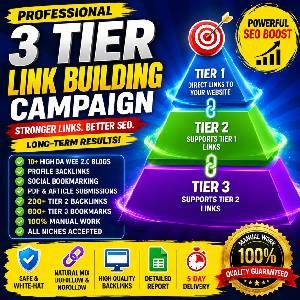
Evaluating Tiered Backlink Models Vs Direct Outreach
One of the least expensive performers during the test duration, CrawlBoost produced outcomes that are merely not worth the financial investment. 19% 11-14 days. Out of 500 sent links, just 95 were indexed.
Even the paid strategy lags behind other services. Searching for "complimentary backlink indexing" eventually results in lost time and a burned link-building spending plan. Rank Service Indexing Rate (14 Days) Speed Recommendation -------------------------------------------------------------- 1 91.4% 60% within two days 2 OmegaIndexer 68% 7-10 days 3 SpeedLinks 48% 5-9 days 4 BulkIndex Pro 46% 6-10 days 5 LinkPusher 35% 8-12 days 6 RapidIndex 32% 7-11 days 7 PingMaster Pro 28% 9-13 days 8 IndexBot360 24% 10-14 days 9 CrawlBoost 19% 11-14 days 10 FreeIndex+ 15% 12-14+ days In 2026, backlink indexing has become one of the most crucial steps in any SEO method.
Google's AI-powered crawl algorithms are straining these manipulative signals. If you're running premium SEO operations, reporting to corporate customers, and wish to maximize the worth of every single link, stands apart as without a doubt the most trusted and high-performing option. For lower-budget tasks, OmegaIndexer still uses a reasonable option, however you'll need to be patient with speed.
Leveraging SEO Growth Hacking Tools to Automate Workflows
A backlink indexer is a service that accelerates the discovery and indexing of your backlinks by Google. If a backlink isn't indexed, it brings absolutely no SEO value because Google isn't knowledgeable about its existence. Indexer services speed up this process by directing Google bots towards the target URL through different crawl steering strategies.
Additionally, shrinking crawl budget plans suggest Google no longer visits every URL as often as in the past. In our test, complimentary and freemium services showed the most affordable performance with simply a 15% indexing rate.
GSA SER advanced settingsThis differs considerably depending upon the service you use. In our test, the leading performer indexed 60% of links within the very first 48 hours, while low-performing services remained listed below 20% even after the full 14-day duration. As an industry standard, an indexing rate above 70% within 14 days is thought about successful.
These links are usually expensive, and if they don't get indexed, the whole investment goes to waste. An indexer can also be utilized for lower-quality Tier 3 links, but top priority must always be provided to high-value links. Modern indexer services use crawl steering innovations that naturally bring in Google bots to the target URL.
Nevertheless, services that utilize old-generation spam ping techniques do carry the risk of triggering Google's spam filters. That's why selecting a service that uses modern-day innovation is vital. When picking an indexer service, pay attention to these criteria: indexing rate within 14 days (must be above 70%), speed efficiency within the first 48 hours, API combination and automation support, quality of the reporting user interface, compatibility with Google's current algorithms, and availability of client support.