Boosting Power Through Layered Backlinks for 2026
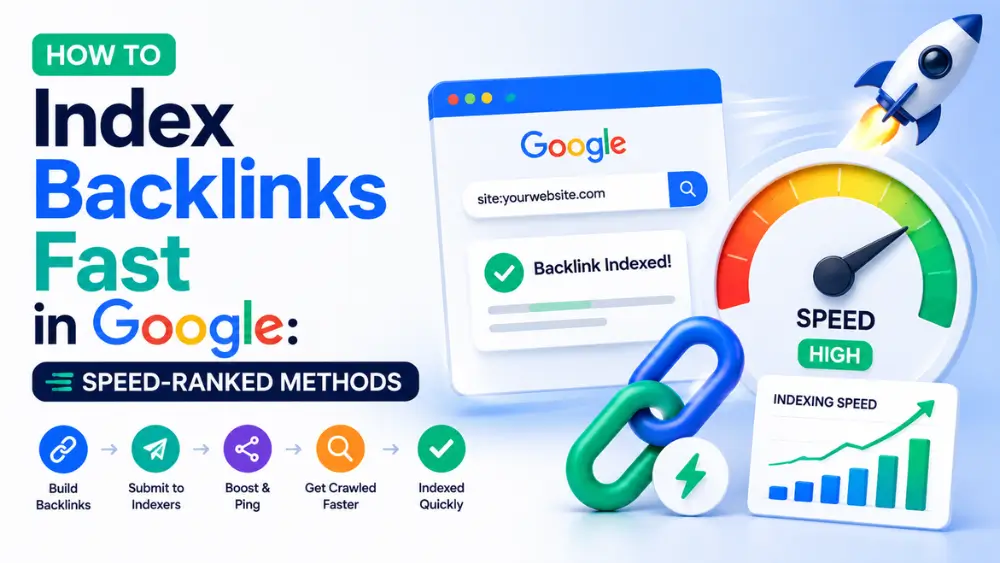
Links Indexer will not simply crawl the backlinks by pinging but also welcome search engines to your links and require them to index your links naturally. Initially, We Ping Each Link Separately To Ensure It is Crawled. Next, We Power Your URLs Up Utilizing Public High Domain Authority Blogs, Web 2.0 Blogs, Micro Blogs, Social Bookmarking Sites, Comments and RSS Aggregators.
IndexInstantly Evaluation 2026: The Finest Backlink Indexer & Immediate URL Indexing ToolBuilding backlinks is just half the task. If Google never crawls the page hosting your link, that link may also not exist no link equity passes, no ranking advantage gets here. This takes a look at whether the platform actually solves that issue: how it works, what it costs, who it's developed for, and where its limits are.
An evaluation that only flatters isn't helpful, so this one leans on real pricing pulled from the source, real function detail, and sincere limitations rather than superlatives. Rather of awaiting Googlebot to discover a page organically which can take weeks, especially for backlinks on smaller sized sites you paste URLs into a dashboard or send them by means of API, and the platform sends them for concern processing.
It's constructed with backlinks specifically in mind, not just your own site's pages a difference that matters, since many indexing tools only manage URLs you own. Rates operates on non-expiring credits starting at $3 for 50 credits. A backlink only counts when Google has actually crawled the page it lives on.
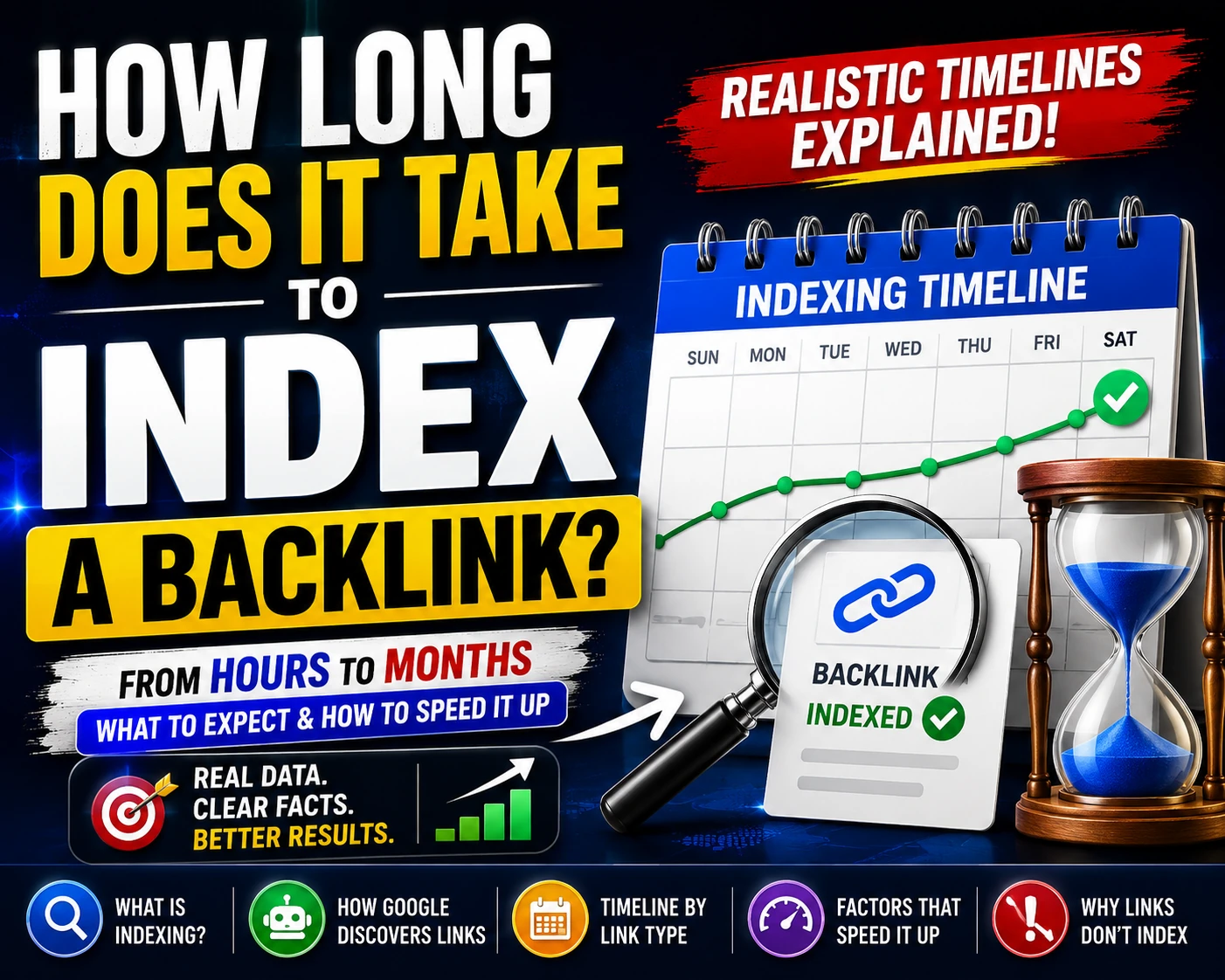
Google's crawl budget is limited and assigned by viewed authority and freshness a new blog site hosting your guest post may not get crawled for weeks. Throughout a real project of 30100 positionings, that gap substances. Agencies consistently discover a 3rd or more of the links they have actually developed haven't been crawled months later on not a content issue, a discovery issue.
Maximizing SEO ROI Via Automated Indexing
Photo a normal outreach campaign: 25 visitor posts protected over 6 weeks. A backlink audit 3 months later shows only 16 are indexed the other nine are real, live links sitting on pages Googlebot simply hasn't crawled. Approximately a third of that project's budget is, in the meantime, contributing nothing.
Every URL passes through 3 stages. Googlebot fetches the page, discovered via sitemaps, links, or direct submission governed by crawl spending plan and crawl demand. Google executes JavaScript to see the last content. Google evaluates quality, duplication, and significance before deciding whether to store the page. Getting a page crawled quicker isn't the like guaranteeing it gets indexed.
This is why IndexInstantly, like any credible tool here, does not promise guaranteed indexing it reduces how quickly a URL gets in that pipeline in the first location. on the hosting domain is the most common cause newer or lower-authority sites merely aren't crawled frequently. with couple of internal links are harder to discover.
a stray noindex, a disallow, a broken canonical avoid indexing outright. on the connecting domain lower crawl priority even more. Just the first 2 are things a submission tool can meaningfully influence; the rest are homes of the page itself. just works for residential or commercial properties you own, ruling out backlinks entirely, and it's capped by day-to-day quotas.
doesn't scale and depends on cooperation from a website owner you do not manage. None of these were developed for volume or for backlinks particularly the gap IndexInstantly targets. IndexInstantly gets rid of the two biggest friction points: volume and backlink assistance. You send up to 200 URLs simultaneously your own pages or third-party backlinks, dealt with identically through the dashboard or API.
Improving Digital Workflows Using Modern Productivity Software
To be precise about scope: IndexInstantly can't require Google to index a low-grade or obstructed page nothing legally can. What it does is reduce the time in between "this URL exists" and "Google has attempted to crawl it." Per the platform's own released figures, median time from submission to processing start is under five minutes, with a typical success rate around 98.7% and throughput above 1.4 million URLs processed daily all self-reported, not independently examined, so treat them as directional context instead of a promise for your specific submissions.
A REST API (/ v1/index) accepting up to 200 URLs per request, returning a batch ID and per-URL tracking IDs. Consisted of on every plan, with documentation and code samples helpful for electrical wiring submission directly into a CMS or outreach tracker. Real-time status for every single submission plus a running batch history the record you need to address "did this actually get submitted?" Each URL updates live through sent, processing, and indexed states, closing the visibility gap that manual submission approaches expose.